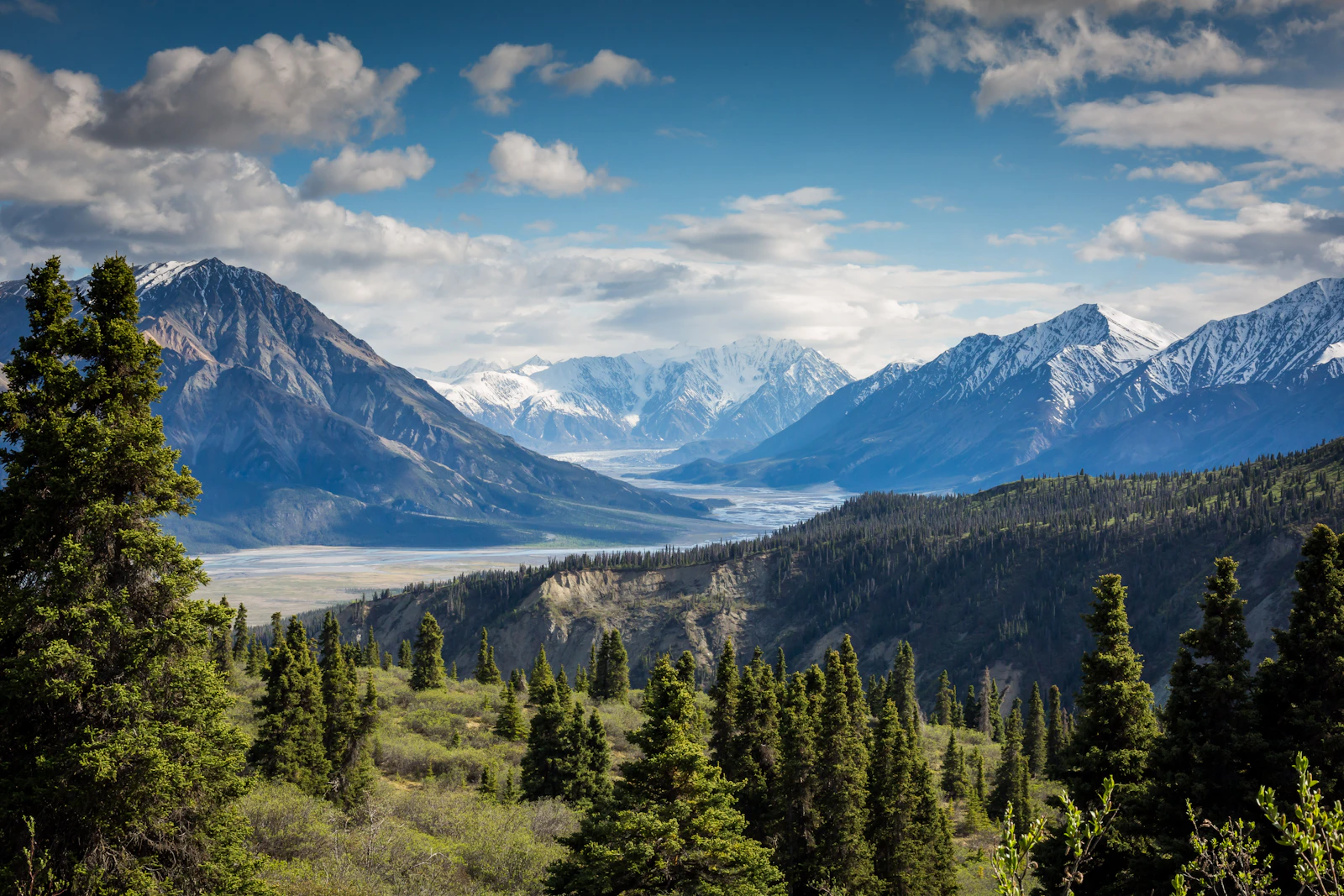
Banff · Blue Hour
3 days in Banff in a photography style, “Blue Hour” variant: from Sulphur Mountain / Banff Gondola to Lake Minnewanka / Two Jack area, with detailed days, local context, weather buffers and experiences chosen to be genuinely different. No filler days.
Banff: get oriented before setting out
Town, services, history and real northern conditions
Banff is a Canadian Rockies base inside Banff National Park, where winter combines three major ski areas, frozen lakes, canyons, hot springs and some of Canada’s most iconic mountain scenery. Aurora is possible but far less reliable than in the far North: here it should be treated as a bonus on geomagnetically active nights, not a nightly promise.
Local context: Banff is not a photographic set but a northern community. Services, seasons, work, transport and natural conditions explain as much as viewpoints do; leave room for what the place genuinely is.
Photography: check cloud, wind and twilight; keep batteries warm, manage condensation and stop only in safe places.
First evening: sort clothing, equipment and sleep; any aurora is a bonus, not an obligation.
Sulphur Mountain / Banff Gondola: light and composition
Blue hour, foregrounds and time to wait
The gondola provides a 360-degree panorama without requiring an independent winter climb. Blue hour and sunset are strong for photography, but temperature and wind on the ridge can be very different from downtown Banff.
How to do it: Sulphur Mountain / Banff Gondola works best with a plan that leaves room for real conditions. Recheck opening, roads, schedules and equipment on the day; in the North, an early change of plan improves quality rather than reducing it.
Local context: Banff is not a photographic set but a northern community. Services, seasons, work, transport and natural conditions explain as much as viewpoints do; leave room for what the place genuinely is.
Photography: check cloud, wind and twilight; keep batteries warm, manage condensation and stop only in safe places.
Aurora at Lake Minnewanka / Two Jack area
Dark sky, cloud strategy and patient waiting
When geomagnetic activity is strong, darker areas around Lake Minnewanka can produce aurora over the Rockies. This is not a primary aurora destination: check AuroraWatch and cloud, stay in safely accessible areas and consider the night worthwhile even if you only find stars.
How to do it: Lake Minnewanka / Two Jack area works best with a plan that leaves room for real conditions. Recheck opening, roads, schedules and equipment on the day; in the North, an early change of plan improves quality rather than reducing it.
Local context: Banff is not a photographic set but a northern community. Services, seasons, work, transport and natural conditions explain as much as viewpoints do; leave room for what the place genuinely is.
Photography: check cloud, wind and twilight; keep batteries warm, manage condensation and stop only in safe places.
Final day: keep buffer for ferries, flights, fuel, luggage and possible weather delays.