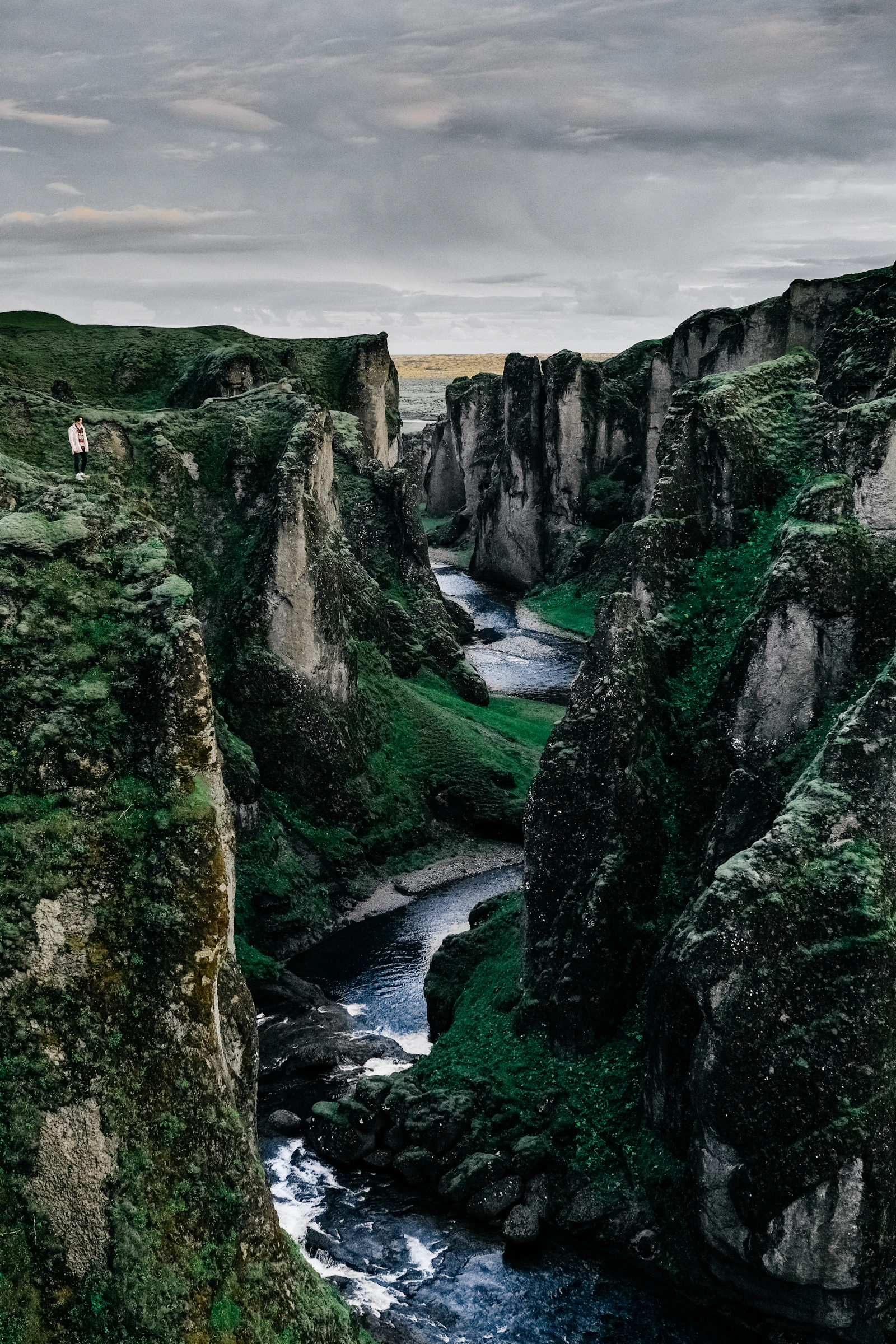
South Coast Frames
3 days in Reykjavik, South Coast Frames variant: South Coast: Seljalandsfoss, Skógafoss and Reynisfjara, Northern Lights beyond Reykjavík: a night guided by clouds and Northern Lights beyond Reykjavík: a night guided by clouds. A photography-focused itinerary built around realistic timing, weather buffers and experiences that fit naturally together.
Arrival in Reykjavík and first contact with Iceland
City centre, waterfront and preparation for wind and weather
Use the first day to set Iceland up properly: check weather, wind and road information before thinking about distance. Walk between Hallgrímskirkja, the centre, Harpa and the Sun Voyager so you immediately understand how compact Reykjavík is—and how quickly conditions can change. If you collect a car, learn parking and local driving basics before attempting a long leg.
The first day is intentionally flexible: flight delays, baggage and road conditions can change your real arrival time. Avoid booking two non-refundable activities too close together.
Photography: check cloud, wind and sunrise/sunset times before leaving. Winter light changes slowly but weather does not; keep batteries and lenses warm and carry a dry cloth for condensation.
South Coast: Seljalandsfoss, Skógafoss and Reynisfjara
Waterfalls, glaciers and black sand in a long day
The South Coast concentrates some of Iceland's most iconic landscapes but demands respect for distance and weather. Seljalandsfoss and Skógafoss change dramatically with ice and wind; at Reynisfjara always stay well back from the waterline because sudden waves are a real hazard. From Reykjavík it is a long day, so favour a few strong stops, use daylight well and do not race to “see everything”.
Photography: check cloud, wind and sunrise/sunset times before leaving. Winter light changes slowly but weather does not; keep batteries and lenses warm and carry a dry cloth for condensation.
Northern Lights beyond Reykjavík: a night guided by clouds
Dark skies, forecasts and realistic expectations
From Reykjavík, aurora hunting is largely about darkness and cloud cover. From late August to mid-April nights can be dark enough, but a strong geomagnetic forecast is of little use under solid cloud; this is why a mobile tour often makes more sense than one fixed spot. Dress much warmer than for a city walk because waiting means standing still and Icelandic wind quickly increases the chill.
Photography: check cloud, wind and sunrise/sunset times before leaving. Winter light changes slowly but weather does not; keep batteries and lenses warm and carry a dry cloth for condensation.
Final day: choose a flight that is not too early if you want to keep the planned activity; otherwise move it to the previous day and use the morning only for breakfast, luggage and transfer.