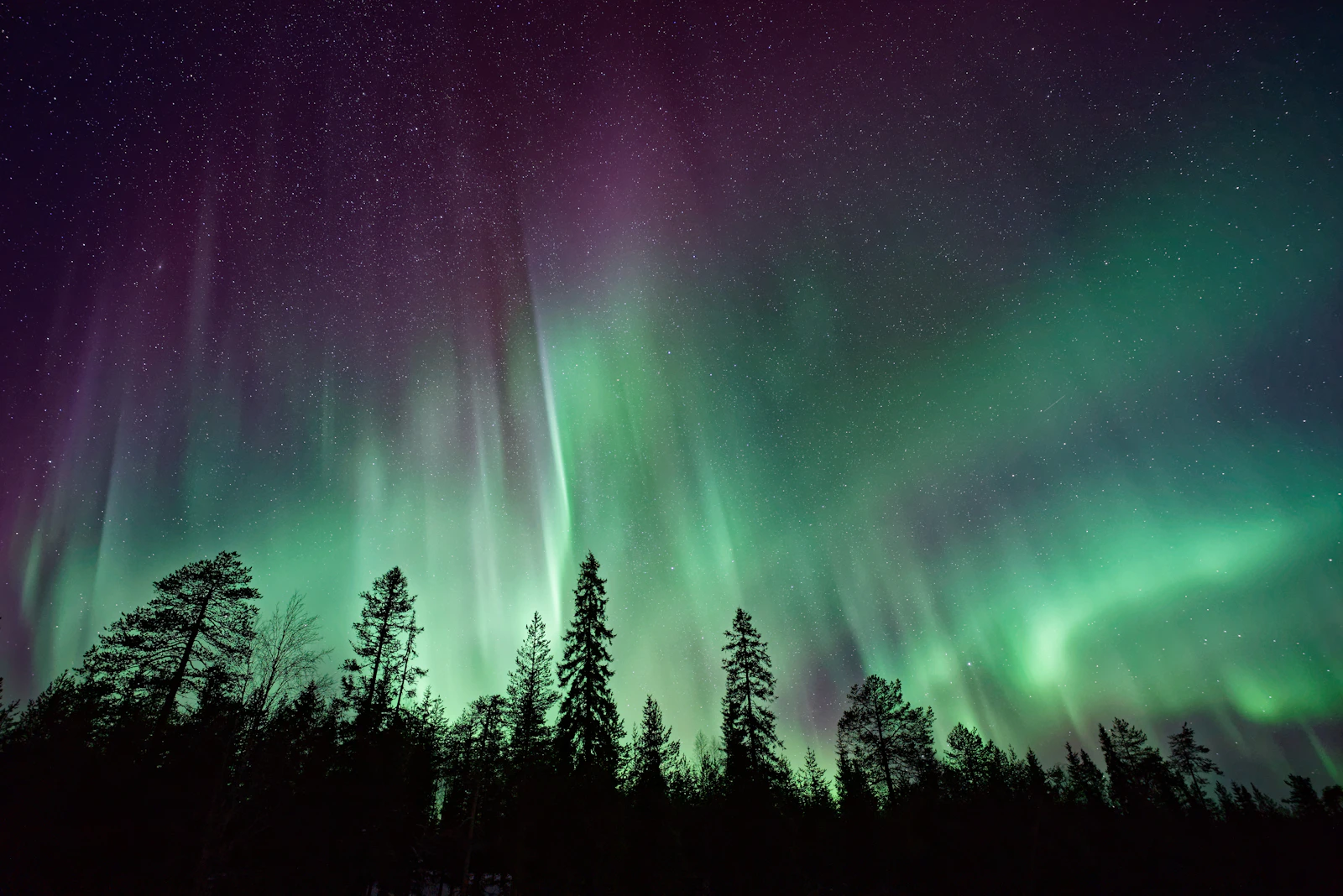
Aurora Frames
3 days in a photography style between Riksgränsen, Kiruna / Jukkasjärvi and the places that genuinely explain Abisko. No filler days: signature experiences, local context, weather buffer and enough time to experience the North without rushing.
Arrival in Abisko: read the landscape before the aurora
Tourist Station, Torneträsk, Nuolja and car-free logistics
Abisko is one of the rare Arctic places where a full trip can work without a car: STF Turiststation has its own railway stop, the national park effectively begins at the property and Lake Torneträsk opens the northern horizon. Use the first hours to understand Abiskojåkka, Nuolja and the dark-sky areas; the evening becomes much easier when you are not improvising.
Context: use this stop to understand why the place exists and how nature, work, local peoples and infrastructure shaped its history. It keeps the trip from becoming only a sequence of attractive photographs.
Photography: check cloud, wind and daylight before leaving. Keep spare batteries warm, protect equipment from condensation and stop only in safe places: no photograph is worth a dangerous stop on a winter road.
First evening: do not turn arrival into a marathon. Sort clothing, equipment and sleep; treat any aurora as a bonus.
Riksgränsen: mountain day at the border
Train or car into a more alpine, exposed landscape
Riksgränsen is a natural extension of a longer Abisko stay, especially in spring-winter when skiing becomes central. Weather and wind can be harsher than in the valley: check lift and transport status and do not turn a poor-weather day into a compulsory transfer.
Skiing: rent equipment for your actual level and always check opening status, trail preparation and weather. Beyond controlled terrain you need specific navigation and avalanche skills.
Photography: check cloud, wind and daylight before leaving. Keep spare batteries warm, protect equipment from condensation and stop only in safe places: no photograph is worth a dangerous stop on a winter road.
Day trip to Kiruna and Jukkasjärvi
Mine, moving city and ICEHOTEL as a contrast to Abisko
On 7–10 day stays it is worth using train or transfer to understand the human context of the region. Kiruna is a mining city physically relocating, while Jukkasjärvi interprets the Torne River through ICEHOTEL. It is very different from the national park, and that contrast makes the trip more complete.
Context: use this stop to understand why the place exists and how nature, work, local peoples and infrastructure shaped its history. It keeps the trip from becoming only a sequence of attractive photographs.
Photography: check cloud, wind and daylight before leaving. Keep spare batteries warm, protect equipment from condensation and stop only in safe places: no photograph is worth a dangerous stop on a winter road.
Final day: if you have a flight or train, avoid rigid activities in the preceding hours and keep buffer for luggage, fuel and road conditions.