Blue Hour Expedition
3 days in a photography style between Abiskojåkka Canyon, Lake Torneträsk and the places that genuinely explain Abisko. No filler days: signature experiences, local context, weather buffer and enough time to experience the North without rushing.
Arrival in Abisko: read the landscape before the aurora
Tourist Station, Torneträsk, Nuolja and car-free logistics
Abisko is one of the rare Arctic places where a full trip can work without a car: STF Turiststation has its own railway stop, the national park effectively begins at the property and Lake Torneträsk opens the northern horizon. Use the first hours to understand Abiskojåkka, Nuolja and the dark-sky areas; the evening becomes much easier when you are not improvising.
Context: use this stop to understand why the place exists and how nature, work, local peoples and infrastructure shaped its history. It keeps the trip from becoming only a sequence of attractive photographs.
Photography: check cloud, wind and daylight before leaving. Keep spare batteries warm, protect equipment from condensation and stop only in safe places: no photograph is worth a dangerous stop on a winter road.
First evening: do not turn arrival into a marathon. Sort clothing, equipment and sleep; treat any aurora as a bonus.
Abiskojåkka: canyon, birch forest and first contact with the park
A short route to understand snow, wind and terrain
Abiskojåkka Canyon is the smartest way to begin moving in the park: you stay close to the Tourist Station, yet within minutes you are among mountain birch, snow and the river running toward Torneträsk. In winter, stay on routes suitable for conditions and use this outing to learn how quickly cold and wind change your sense of distance.
Snowshoes: they let you slow down and read tracks, snow and vegetation without ski technique. On slopes or alpine terrain use a guide: simple equipment does not remove avalanche or navigation risk.
Photography: check cloud, wind and daylight before leaving. Keep spare batteries warm, protect equipment from condensation and stop only in safe places: no photograph is worth a dangerous stop on a winter road.
Northern Lights hike toward Torneträsk
Abiskojåkka, birch forest, lake and lavvu
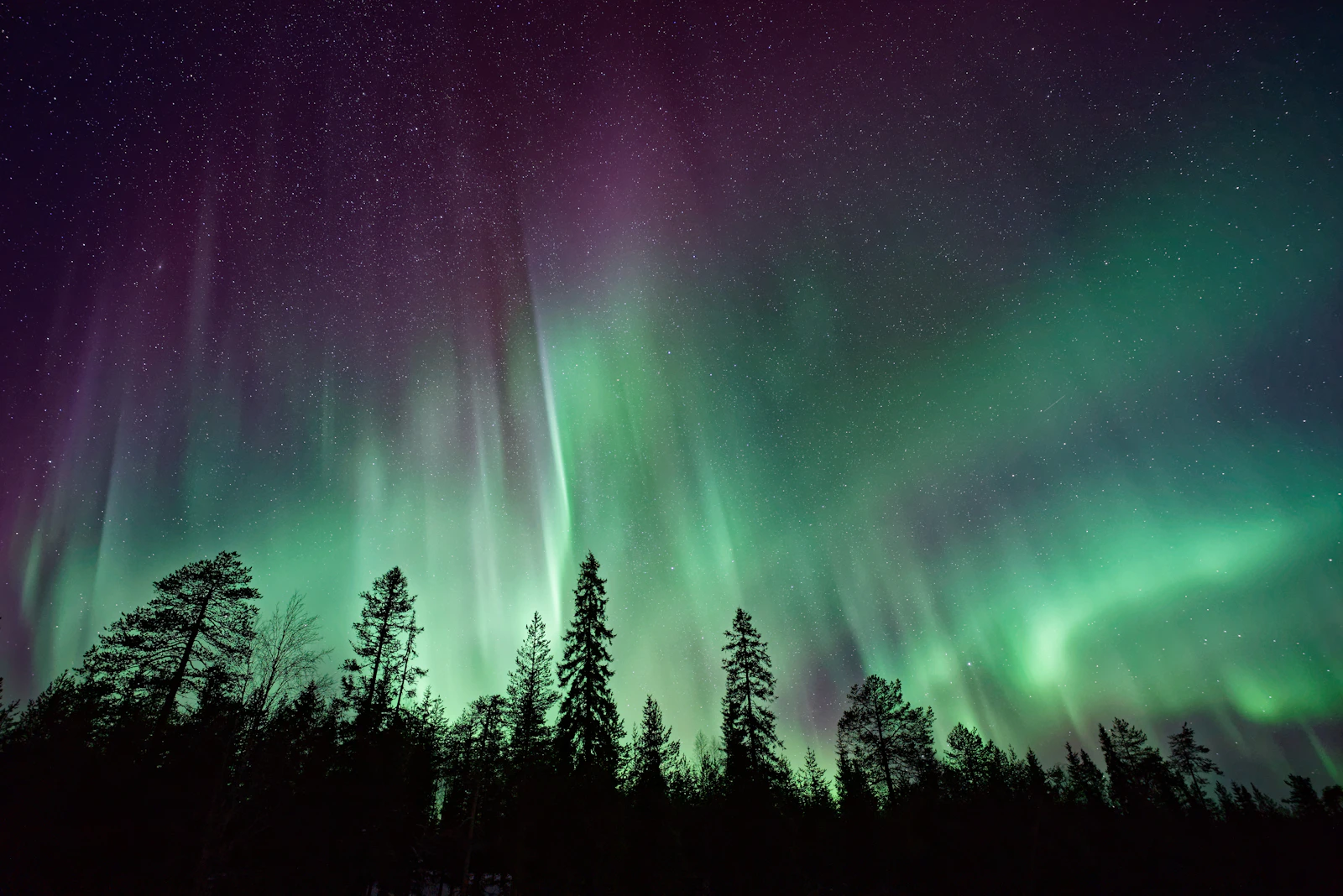
One of the most coherent Abisko experiences is to look for aurora on foot instead of spending the night in a minibus. The classic route follows Abiskojåkka through birch forest toward Torneträsk, stopping at open viewpoints and, on guided tours, often finishing near a lavvu and fire. Abisko's strength is the combination of darkness, open landscape and frequent local clearings.
Aurora: clear sky comes first, geomagnetic index second. Move away from lights, let your eyes adapt and stay long enough in one place: constant driving often makes people miss the best moment.
Photography: check cloud, wind and daylight before leaving. Keep spare batteries warm, protect equipment from condensation and stop only in safe places: no photograph is worth a dangerous stop on a winter road.
Final day: if you have a flight or train, avoid rigid activities in the preceding hours and keep buffer for luggage, fuel and road conditions.